The playground is a micro‑world where toddlers test boundaries, share toys, and learn the unwritten rules of play. For many children, it’s a place of giggles and friendships. For some, however, it can feel like navigating a maze blindfolded. In this article we’ll explore the autism early signs in toddlers who have difficulty with social interactions in the playground, offering clear guidance for parents, caregivers, and teachers who want to spot the subtle clues before they become bigger challenges.
Understanding the Playground Landscape
Social Play Basics
Playground dynamics are built on a few simple pillars: turn‑taking, joint attention, and shared enthusiasm. When a toddler is ready, they’ll look at a friend’s face, point Click for info at a swing, and say, “Let’s go together!” These moments are the building blocks of social competence.
Common Playground Dynamics
Female autism phenotype- Rotational games where children cycle through positions. Imaginative play that relies on shared narratives. Physical cooperation such as climbing a jungle gym together.
When a child consistently skips these steps, the playground may feel more like a crowded train station than a playground.
Spotting Early Signs in Toddlers
Communication Hurdles
If your toddler rarely or never engages in back‑and‑forth chatter, that can be a red flag. Look for:
- Limited eye contact during play. Minimal use of gestures (e.g., waving, pointing). Difficulty following simple instructions from peers.
A single glance can be telling: a child who avoids eye contact while others chat may be struggling to decode social cues.
Repetitive Play Patterns
Many toddlers with autism gravitate toward repetitive, narrow interests. In the playground, this might look like:
- Fixating on a single toy (e.g., a red ball) while ignoring others. Repeating the same action over and over (e.g., swinging back and forth in the exact same rhythm). Showing little interest in games that involve others’ participation.
Such patterns are not just quirks; they often signal a preference for predictability over social unpredictability.
Sensory Sensitivities
Sensory overload can make a playground feel like a thunderstorm. Signs include:
- Overreacting to loud noises (e.g., a squeaky slide). Avoiding crowded areas or bright lights. Seeking out quieter, less stimulating spots.
When a child shies away from noisy equipment or covers their ears, it’s a cue that sensory input is overwhelming.
The Power of Observation
When to Notice
Timing matters. The first 18 months are a critical window. Parents who notice deviations early can intervene before habits solidify. Ask yourself:
- “Do my child look at peers when they’re playing?” “Do they respond to my attempts to involve them?”
If answers are consistently negative, it’s worth taking a closer look.
Recording and Reporting
Keep a simple log:
- Date & Time – When did the observation occur? Location – Playground, park, or indoor play area? Behavior – Specific actions or inactions. Context – Was there a new toy or a loud event?
Sharing this log with a pediatrician or developmental specialist can accelerate assessment.
Supporting Your Toddler’s Social Journey
Structured Playtime Ideas
Turn the playground into a controlled environment:
- Turn‑taking games: Use a timer to signal when it’s the other child’s turn. Guided play: Offer a simple script (“Let’s swing together!”). Chunked activities: Break larger games into smaller, manageable steps.
These strategies reduce the cognitive load and make social interaction more approachable.
Building Empathy with Peers
Peers can be powerful allies. Encourage classmates to:

- Invite the toddler to join a game. Use inclusive language (“We’re playing together!”). Offer gentle prompts (“Can you see how we can share the slide?”).
A supportive peer group can act as a social scaffold, helping the child feel more comfortable.
Professional Guidance
If concerns persist, seek help early. A developmental pediatrician, occupational therapist, or speech‑language pathologist can:
- Conduct a formal screening. Recommend tailored interventions. Offer parent coaching.
Remember, early intervention often leads to better outcomes. “The first step is noticing,” says Dr. Maya Patel, a child psychologist, “because once you see the pattern, you can start to shape it.”
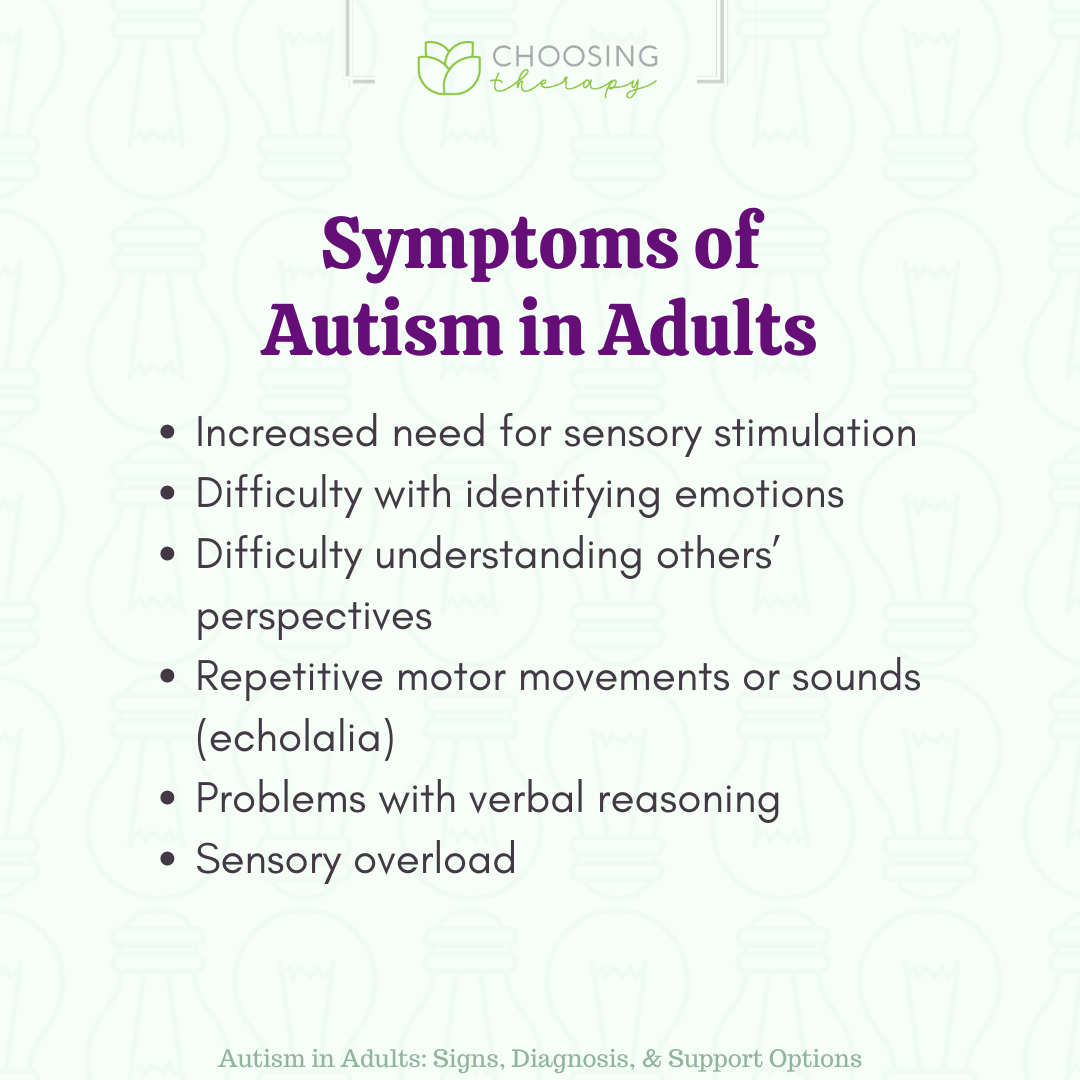
A Gentle Wake‑Up Call
Picture a seed that needs light to sprout. In the same way, a toddler’s social skills need the right environment to flourish. If you notice your child’s playground moments feeling more like solitary gardening than a group picnic, it might be time to give them the nurturing they deserve.
By staying observant, documenting behaviors, and engaging both peers and professionals, you can help your child navigate the playground’s social maze with confidence. The next time you see a toddler hesitating at the edge of the jungle gym, remember: a small nudge can turn a hesitant glance into a confident stride.
Take the first step today—start a simple observation log, talk to a pediatrician, or invite a supportive friend to join a playdate. Your attentiveness is the light that will help your child grow.